

Coffee vs Tea: Which One Is Better for Your Health and Energy?
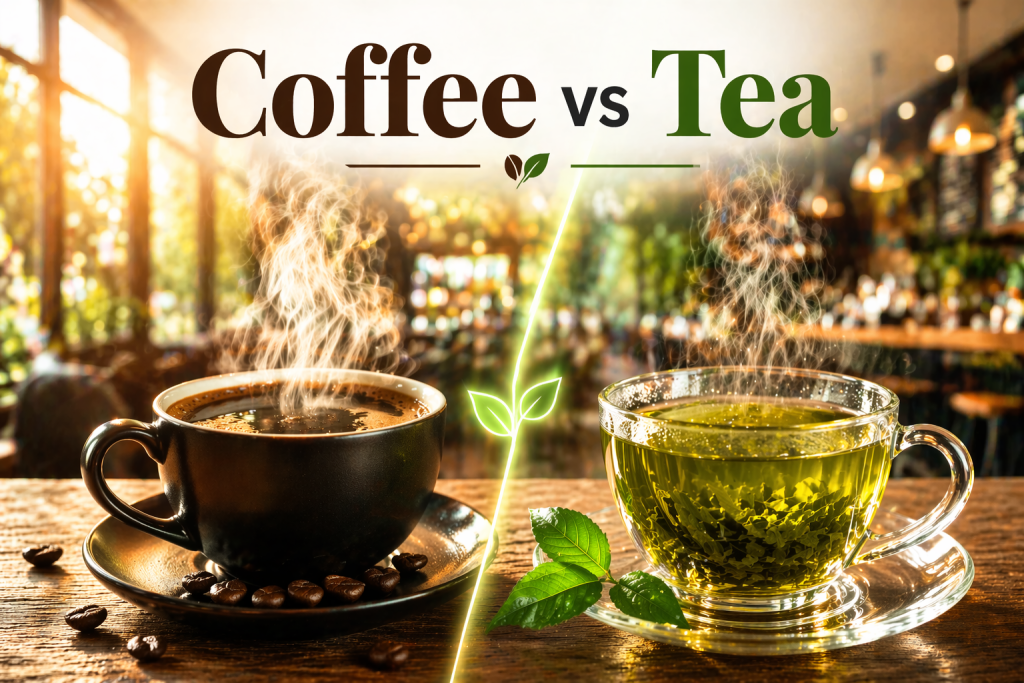
Imagine you’ve had a long, tiring day and need a quick energy boost to stay active and focused. You reach for a drink but the question is, should you choose coffee or tea?
The debate of coffee vs tea has been around for years. Coffee is known for its fast, powerful caffeine kick that boosts alertness almost instantly. On the other hand, tea provides a smoother and more balanced energy release, thanks to compounds like L-theanine.
But which one is truly better for your health, energy, and lifestyle?
In this article, we’ll break down everything you need to know about coffee vs tea including their origins, benefits, caffeine effects, health impacts, and even the best foods to pair with them. And at the end, you’ll discover a surprising twist you might not expect.
Let’s start with coffee, the world’s most popular energy drink.
Coffee: Your Daily Dose of Energy and Focus
Coffee, one of the most popular drinks among younger generations, originated in Ethiopia around 800–850 AD before spreading across the Middle East and Europe. Today, it has evolved and is enjoyed by nearly 88% of people in Perth.
And here, the cost of coffee usually ranges between AUD $5.50 and $6.50. You can enjoy coffee by pairing it with food items like espresso with desserts, lattes with pastries, and black coffee with heavy meals.
Composition And Types
Made by grinding the seeds of coffee cherries, coffee typically contains 1–2% caffeine, along with antioxidants and small amounts of natural oils that shape its flavour and effect. Popular choices include espresso, iced latte, cappuccino, black coffee, and short macchiato.
Brewing Methods
Different brewing methods influence strength and flavour
- Espresso machine (pressure extraction for strong flavour)
- French press (full-bodied immersion brewing)
- Pour-over (controlled, clean extraction)
- Cold brew (long steep, lower acidity and smoother taste)
Now that we’ve explored coffee, let’s look at its biggest opponent, tea.
Tea
Tea comes from the plant Camellia sinensis and was first discovered in ancient China over 4,000 years ago before spreading across Asia and Europe through trade. The tea typically costs AUD $5–$6 in Perth and varies depending on the restaurant. In Australia, approximately 50% of people consume at least one cup of tea per day.
Composition And Types
Although tea is about 99% water, its remaining compounds include polyphenols, approximately 1% caffeine, L-theanine, and minerals for both flavour and health benefits. Today, it is one of the most widely consumed beverages, commonly classified into four main types: white, green, oolong, and black tea.
Brewing Methods
To fully extract flavour and benefits, the brewing method matters
- Steeping (hot infusion at 70–100°C depending on type)
- Cold brewing (6–12 hours for a smoother, less bitter taste)
- Gongfu method (multiple short infusions for depth)
- Tea bags vs loose leaf (loose leaf offers richer flavour)
So, how does tea actually compare to coffee? Let’s break down their benefits side by side.
Coffee vs Tea: Key Health Benefits and Differences Explained
Both coffee and tea offer unique health benefits, but they work in different ways inside the body. From energy levels and metabolism to heart health and mental focus, each drink has its own strengths.
Let’s break down how coffee and tea compare in terms of health benefits so you can understand which one suits your lifestyle better.
1- Caffeine Content
Coffee contains significantly more caffeine (80–100 mg per cup), providing a quick and strong energy boost. Coffee is ideal for immediate alertness and improving mental focus.
While tea, with 20–50 mg per cup, provides a milder effect and contains L-theanine, which slows caffeine absorption. This enriches you with a smoother, longer-lasting effect and thus makes it ideal to enjoy in a relaxed evening.
2- Weight Loss Benefits
Coffee can support weight loss by increasing metabolism and enhancing fat burning due to its caffeine content. Moreover, it is recommended to drink it before a workout, as it improves physical performance.
Tea, especially green tea, contains catechins that help boost fat oxidation and improve metabolic efficiency over time. Tea is a sustainable approach to managing weight along with a balanced lifestyle.
3- Rich in Nutrients
Coffee contains small amounts of essential nutrients such as magnesium, potassium, and B vitamins, which contribute to bodily functions. Tea, particularly green tea, is rich in plant compounds like flavonoids and amino acids.
4- Antioxidants
Both coffee and tea are excellent sources of antioxidants. Coffee is one of the largest contributors of antioxidants in many diets, primarily through chlorogenic acids.
On the other hand, tea contains catechins and polyphenols, which are powerful compounds that help reduce oxidative stress and inflammation.
5- Gut Health
Coffee varieties like French press have small amounts of fibre that can support and stimulate digestion. Tea, although it does not contain fibre, has prebiotics, which indirectly improve digestive health.
6- Heart Health
Both coffee and tea are linked to improved heart health when consumed in moderate amounts. Coffee has also been associated with reduced risk of cardiovascular disease due to its antioxidant properties. Tea’s flavonoids help lower blood pressure and improve blood vessel function.
7- Disease Prevention
Regular consumption of both coffee and tea has been linked to a reduced risk of type 2 diabetes and regulating blood sugar levels. Moreover, they also contain compounds that may reduce the risk of certain cancers.
Moderate consumption of coffee and tea has been associated with increased lifespan as well due to antioxidant and anti-inflammatory properties.
Key Differences Between Tea And Coffee
Feature | Coffee | Tea |
Caffeine | High (80–100 mg) | High (20–50 mg) |
Energy effect | Instant energy | Slow and steady energy |
Best for | Morning and workouts | Evening and for focus |
Taste | Strong taste | no strong flavours |
Stress impact | Reduce anxiety | Calming effect |
When to Choose Coffee
Every drink is made for a different event or occasion. Similarly, choose coffee when you need
- Instant energy boost
- Improved alertness
- Sharper focus.
It’s ideal for mornings, busy work hours, or social settings where you want to stay active and engaged.
When to Choose Tea
Just like coffee, tea has its own benefits and only feels good when taken at the right moment. It is an ideal choice when you need
- Calm, steady energy
- Perfect for evenings, after meals, or when you’re relaxing
- Improve focus while keeping you relaxed
It is perfect to drink during light conversations or situations where you need mental clarity and stress relief.
Coffee vs Tea: Which One Is Good?
So, coffee or tea: Have you made your choice yet?
We understand the answer isn’t as simple as picking one over the other. It depends upon your mood, time of the day, and your needs as well.
Coffee has 80-100 mg of caffeine per cup, giving you a quick and powerful energy boost, and is perfect for the morning. While tea has 20-50 mg of caffeine per cup, offering a more sustained energy release. This difference is mainly because of plant variety and the brewing method used to extract them.
But what if you didn’t have to choose at all? And you can enjoy both at the same time.
So, here is a third option you didn’t expect at all!
Yes, mixing coffee and tea might sound unusual, but it creates a unique blend of flavour and smooth balance that many people around the world already love.
Here Are Popular Coffee And Tea Blends Around The World You Can Try
Yuenyeung: Combine strong and milk tea.
Spritz or Spreeze: Chilled fusion of tea and coffee
Dirty Chai: Balanced mixture of spiced chai and espresso
Kopi Cham: A traditional Malaysian blend of coffee and tea
Tra Lai: Vietnamese-style combination of tea and coffee
Herbal Infused Blends: Mix coffee with herbal teas
The Best Place To Find Authentic Coffee And Tea
At, The Russell Inn Bar & Restaurant, we not only serve coffee and tea but offers and environment that is aesthetically appealing. Here is why you should visit our restaurant.
- Indoor seating in a comfortable environment
- Extensive menu, from traditional dishes to fast food items
- Live screening
- Music night with Perth’s local bands
Whether you are thinking about planning a game night or hosting a family dinner, The Russell Inn Bar is the perfect option in Perth.
Conclusion
When it comes to coffee vs tea, there’s no universal winner. It is not about which one is better overall, but which one suits your body, lifestyle, and energy needs.
Coffee fuels quick energy and productivity, while tea supports calm focus and long-term wellness. The smarter choice is understanding your body and choosing accordingly. Try both or experiment with blends, and discover your perfect match.
Explore your favourite brew today at The Russell Inn Bar & Restaurant and enjoy the perfect balance of taste, energy, and relaxation every day.
FAQ
1- Is tea healthier than coffee?
Tea is considered healthier, as it has L-theanine and antioxidants in abundance. Nevertheless, tea and coffee are both healthy in moderate amounts without sugar.
2- Which has more caffeine, tea or coffee?
The amount of caffeine in coffee is higher, about 80-100 mg/cup, whereas tea has about 20-50mg/ cup. This makes coffee more powerful to give you a quick burst of energy, whereas tea is a less powerful sustained boost.
3- What are the benefits of tea?
Tea contains antioxidants, helps the heart, helps in digestion and offers a relaxing feeling. It can reduce stress, improve brain performance, and promote health in the long-term when used regularly.
4- What are the benefits of coffee?
Coffee increases energy sharpness the physical performance. It has antioxidants that are beneficial to the brain and heart, can boost metabolism and lower the chances of some diseases in moderate amounts.
5- Black tea or black coffee, which is better for weight loss?
Both the black coffee and the black tea are excellent for weight loss, but they do not work in the same way. Black coffee works by regulating the metabolism and suppressing the appetite with more caffeine. Black tea is the best for long-term weight loss through the enhancement of gut health and decreased fat absorption.